
Responsible Wildlife Eco-Tourism in India
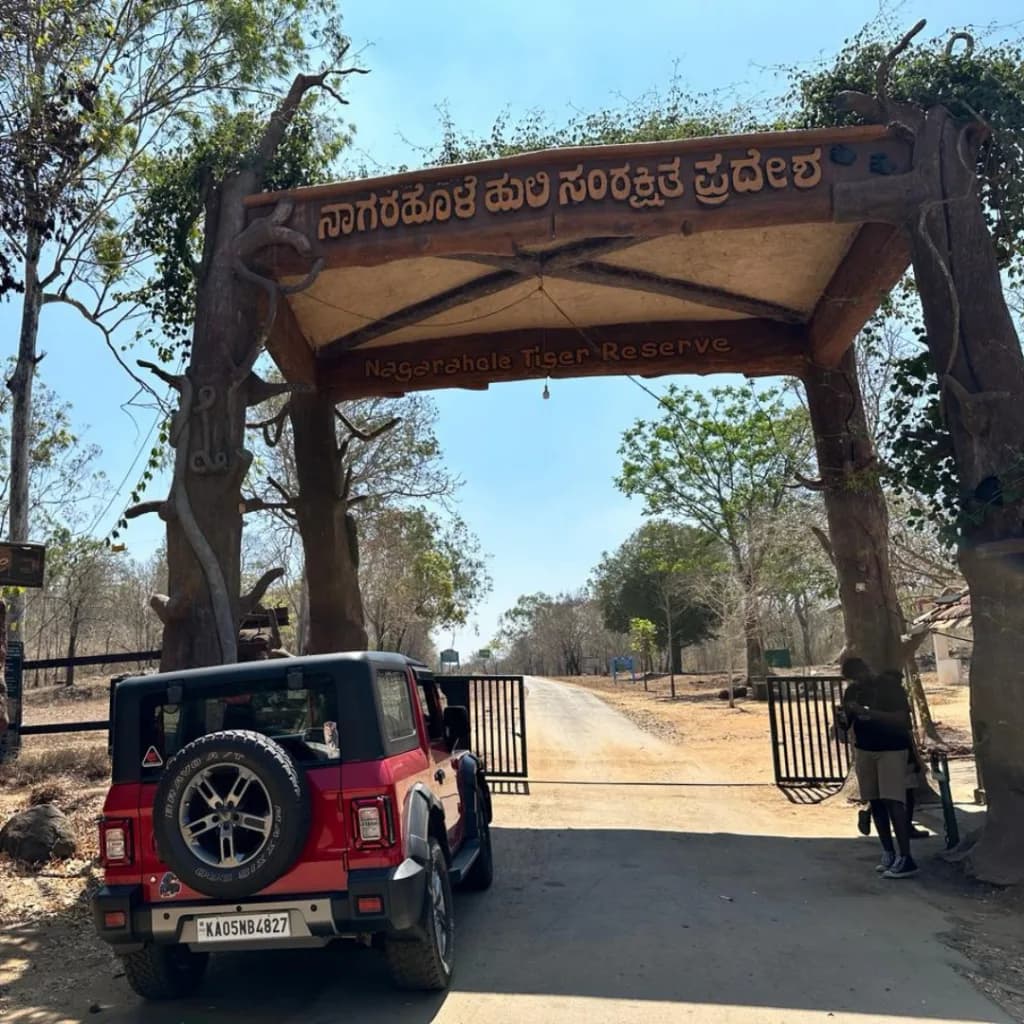
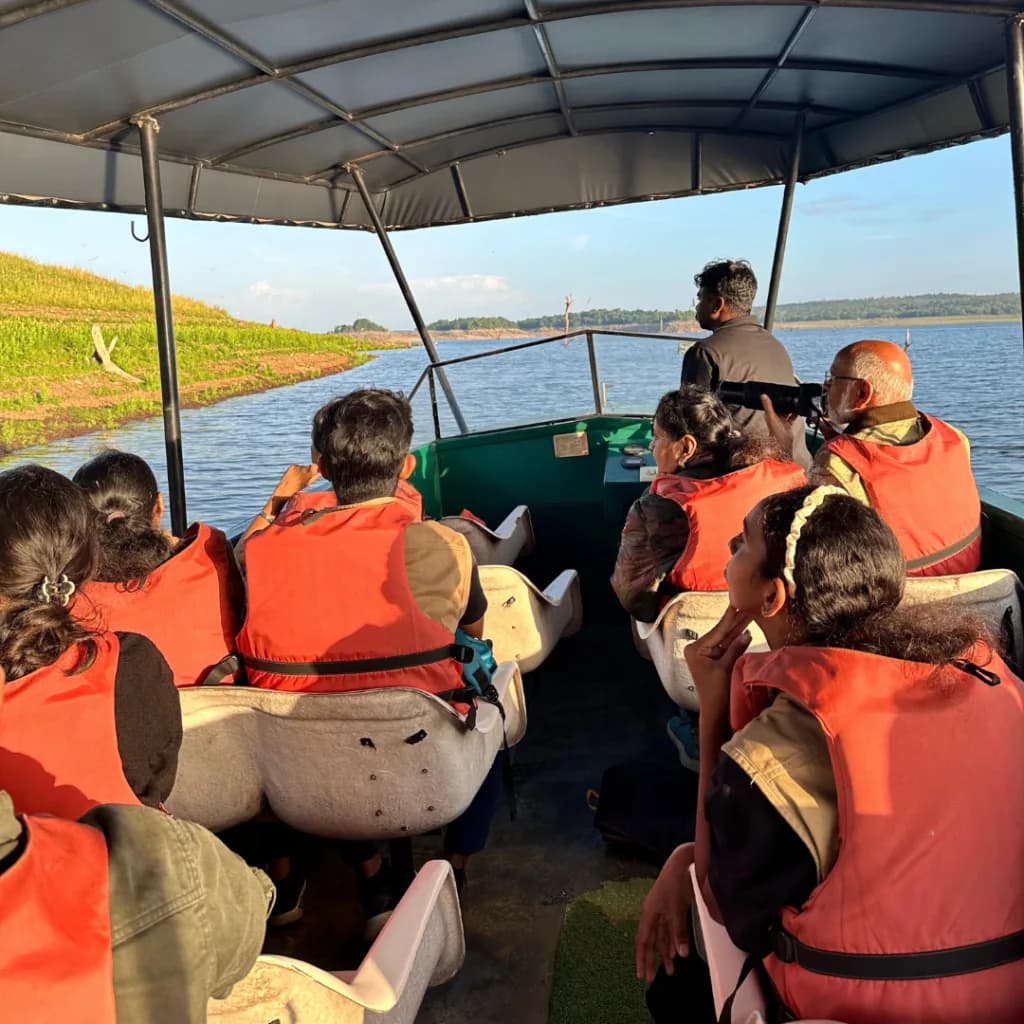
Responsible wildlife tourism means seeing animals without changing how they live. At Tentasy that means small groups, certified naturalists, zero-disturbance sighting protocols and conservation work with the Karnataka Forest Department, whether you join a safari, a camp or a school programme.
What responsible wildlife tourism means
It is tourism where the animal comes first: guests stay quiet and at a distance, guides read the animal's behaviour and end a sighting if it is disturbed, and what you pay supports the places you visit. Our trips are built around the wildlife rather than a packed schedule.
Our sighting protocol in the field
Every Tentasy safari follows zero-disturbance sighting protocols and ethical sighting practices certified with forest authorities. Our naturalists decide how close to go, how long to stay and when to move on, and they never bait or call animals.
Small groups by design
Most safari and photography trips run with 4 to 6 guests, with larger overlanding circuits up to 8. Smaller groups mean calmer animals, better sightings and real conversations with your naturalist.
Where we stay: camps and unique accommodations
Our curated camping expeditions to the jungles of India and beyond include unique accommodations, raw safari experiences, on-site workshops, camping basics and birding. Staying close to the forest also cuts travel before early safari slots.
Conservation work with the Karnataka Forest Department
Our team are certified volunteers for the Karnataka Forest Department's camera-trapping and census work, and have joined emergency volunteering programmes in Karnataka. Conservation is part of how we operate, not just a tagline.
Eco-tourism camps for schools and groups
We run eco-tourism workshops, camping, birding and conservation-awareness programmes for schools, colleges and teams, which build resilience and teamwork alongside field knowledge. See our educational tours for what is on offer.
What we ask of our guests
- Wear dark or camouflage clothing and avoid white, red and neon colours.
- Avoid perfumes, deodorants and anything with a strong scent.
- Stay quiet, stay seated in the vehicle and follow your naturalist's instructions at every sighting.
Related Tentasy pages
- Indian wildlife tours: Safari trips across India
- Wildlife: Our approach to ethical wildlife travel
- Educational tours: Eco-tourism programmes for schools
- About Tentasy: Meet our naturalists
- Bandipur safari guide: Plan a responsible safari
Responsible wildlife tourism FAQ
Is a jeep safari ethical?
It can be, when vehicles keep to tracks, stay at a respectful distance and leave when an animal shows signs of stress. That is how our naturalists run every sighting.
How does Tentasy minimise disturbance at a tiger sighting?
We follow zero-disturbance protocols: small groups, silence, no baiting and a guide who decides how close to go and when to leave.
Do you offer eco-tourism camps for schools?
Yes. We run eco-tourism workshops, camping and conservation-awareness programmes for schools and colleges. See our educational tours or contact us.
How big are your groups?
Most trips run 4 to 6 guests, with larger overlanding circuits up to 8.
Does Tentasy support conservation work?
Our team are certified volunteers for the Karnataka Forest Department's camera-trapping and census work.
How can I plan a responsible safari?
Contact us with your dates and group size and a Tentasy guide will plan it with you.
Plan a responsible safari
Tell us your plans and a Tentasy guide replies within one business day. Call +91 93801 42405 or message us.