
Are Indian Wildlife Parks Open All Year?
No. The main safari season in many well-known tiger reserves runs from October to June. During the monsoon, core tourism zones commonly close from July to September, sometimes reopening in early or mid-October. The precise dates belong to each reserve, not to India as a whole.
Closures allow for safer access, track maintenance and reduced disturbance during a sensitive ecological period. Heavy rain can make forest roads impassable even where tourism technically continues. This is why “open” does not necessarily mean that every zone, route or safari shift is operating.
Ranthambore illustrates the exception clearly. Its main visitor season runs from 1 October to 30 June. During July to September, Zones 1–5 close, while buffer Zones 6–10 may operate limited tourism. Current access remains subject to Forest Department orders, weather and track conditions, and drives can be cancelled. Check the exact zone before booking rather than relying on a general statement that the park is open.
Southern reserves need their own assessment too. Bandipur has a different climate and operating context from Rajasthan or Madhya Pradesh, so it should not be assigned the same closure calendar automatically. A good itinerary checks each park separately and includes a contingency for weather.
India’s Safari Seasons at a Glance
This India safari season guide gives a planning overview for popular tiger landscapes. Conditions vary by region and year, and no month can promise a tiger sighting.
Have fixed school-holiday or annual-leave dates? The right reserve can matter as much as the month.
Ask us to match your travel window to a private safari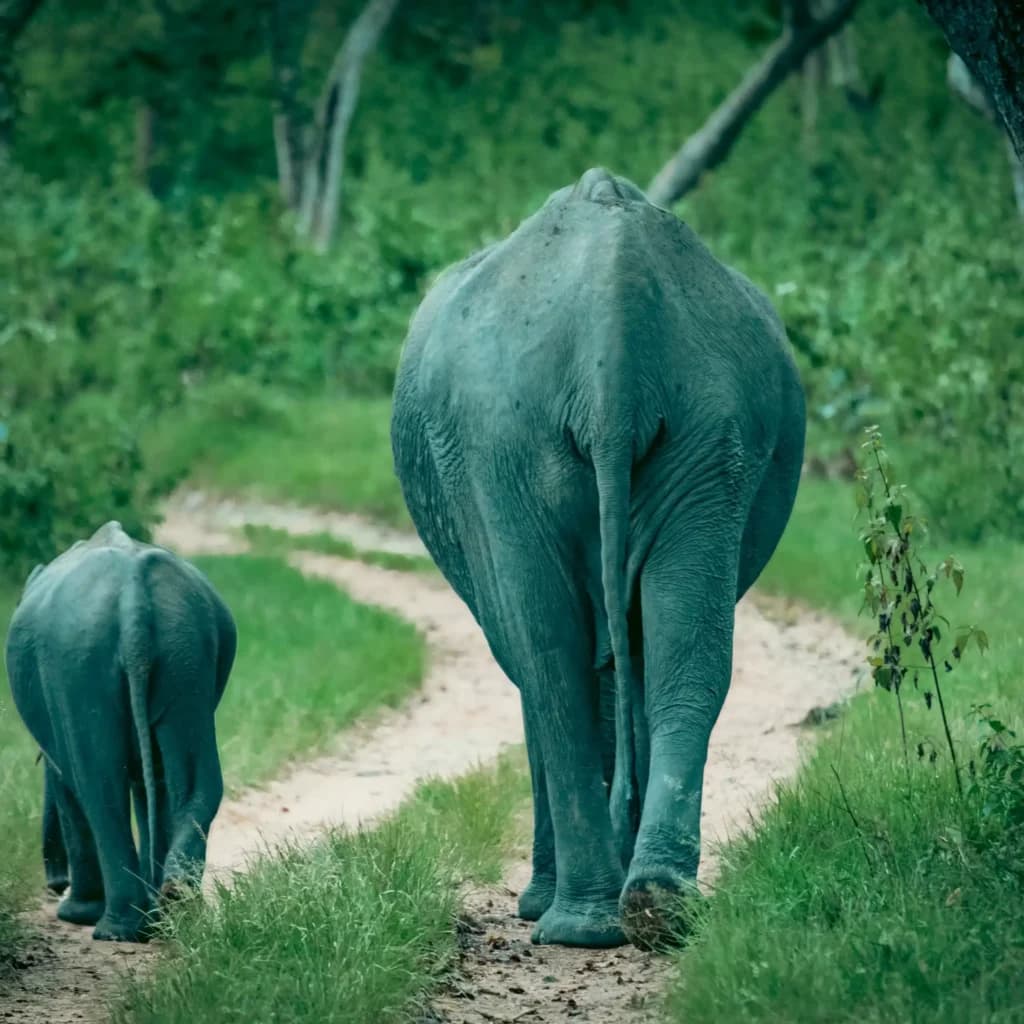
| Season/months | Weather | Park status | Sightings quality | Who it suits |
|---|---|---|---|---|
| October | Warm, humid at first; greener landscapes | Core zones reopen, often early in the month | Good, but tall grass and abundant water can reduce visibility | Flexible travellers who value colour and fewer peak-winter crowds |
| November–February | Mild days; cold, sometimes foggy mornings | Generally full season, subject to local conditions | Good overall; improving as vegetation dries | Families, first-time visitors and cultural-tour combinations |
| March–April | Hotter and drier, especially in the afternoon | Full season in most major reserves | Often excellent as cover thins and water becomes scarcer | Wildlife-focused travellers and photographers |
| May–June | Very hot and dry before monsoon arrival | Usually open until the end of June | Often the strongest waterhole viewing, never guaranteed | Heat-tolerant travellers prioritising sightings |
| July–September | Humid, wet and changeable | Many core zones closed; selected buffers may open | Unpredictable, with weather-related disruption | Specialist trips built around confirmed operating zones |
Park-access example checked 27 October 2026 against [Ranthambore visitor safari guidance](https://ranthambhorenationalpark.in/travel-info/safari-timings). Always reconfirm current reserve and zone rules.
What Is the Best Month for a Tiger Safari in India?
March is the best all-round compromise; April and May are stronger for sighting potential but hotter. There is no single best month for tiger safari India-wide because a pleasant date in a southern forest may feel very different from one in Rajasthan.
March often balances drying vegetation, manageable mornings and increasing activity around water. April raises both temperatures and sighting potential. May can be excellent for wildlife observation near waterholes, but only for travellers who can manage serious heat. If you want gentler weather, November and February are often easier choices.
When deciding when to go on safari in India, resist choosing solely by average temperature. Consider how many drives you will have, whether children or older travellers are joining you, and how disappointed you would be by missing cultural time because of the heat.
Winter (Nov–Feb) — Comfortable but Crowded
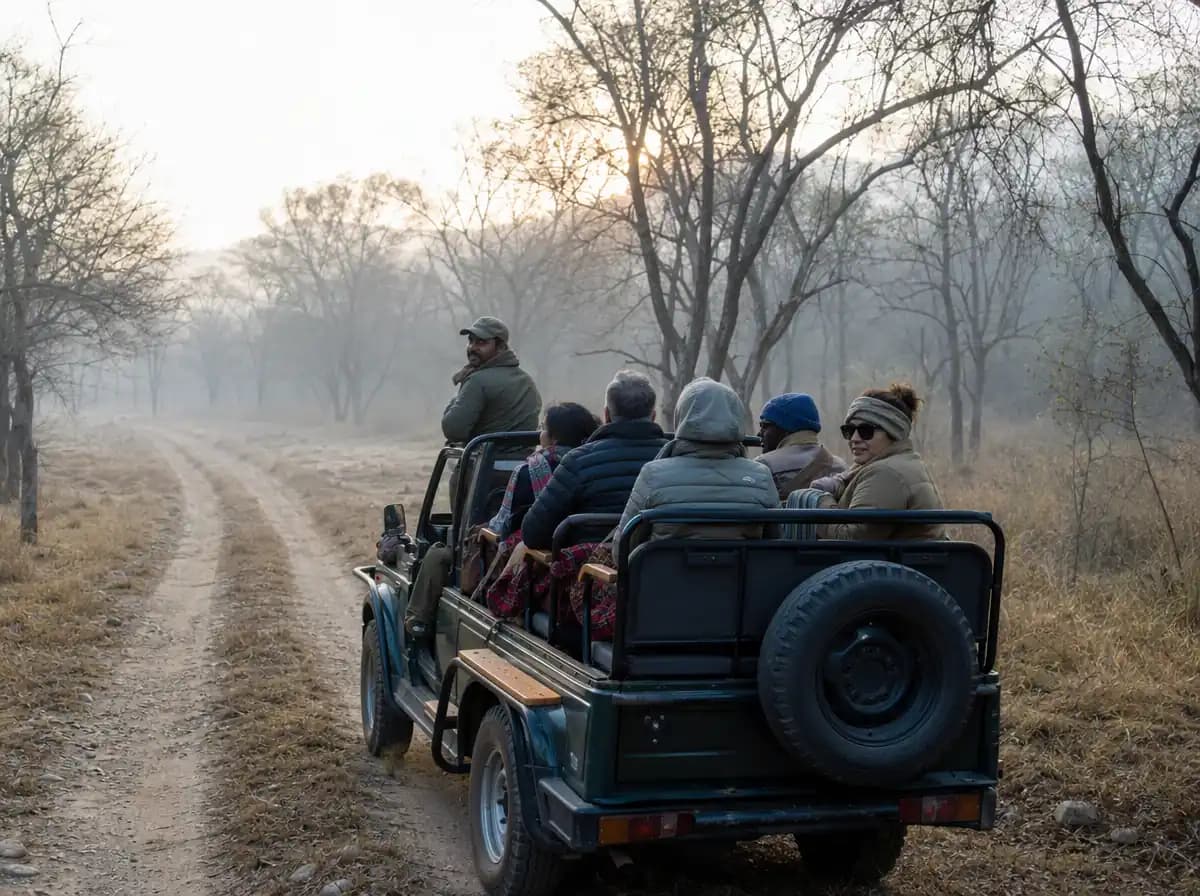
Winter aligns naturally with European Christmas, New Year and February half-term holidays. Days are usually comfortable for open-vehicle drives, and it is easier to combine reserves with Delhi, Agra, Jaipur or other cultural stops. For many first-time visitors, this is the most forgiving introduction.
Cold mornings surprise travellers who packed only for “hot India”. Ranthambore’s winter daytime temperatures commonly sit around 16–20°C, while night-time readings can fall to about 2°C. An open jeep moving before sunrise feels colder still. Fog can delay the start or soften visibility, particularly in northern landscapes.
Sightings can be very good, but lush cover early in the season and plentiful water give animals more places to remain hidden. By February, drier conditions often improve visibility. Winter also brings excellent birding and beautiful misty light, so the experience is richer than a tiger checklist.
The drawback is demand. Christmas, New Year, Indian holidays and popular winter weekends put pressure on lodges and permits. Book early and avoid an itinerary that changes hotels too frequently just to chase a famous reserve. A few well-spaced drives in one strong habitat are usually more satisfying.
Post-Monsoon (Oct–Dec) — Lush and Green, Slightly Harder Spotting
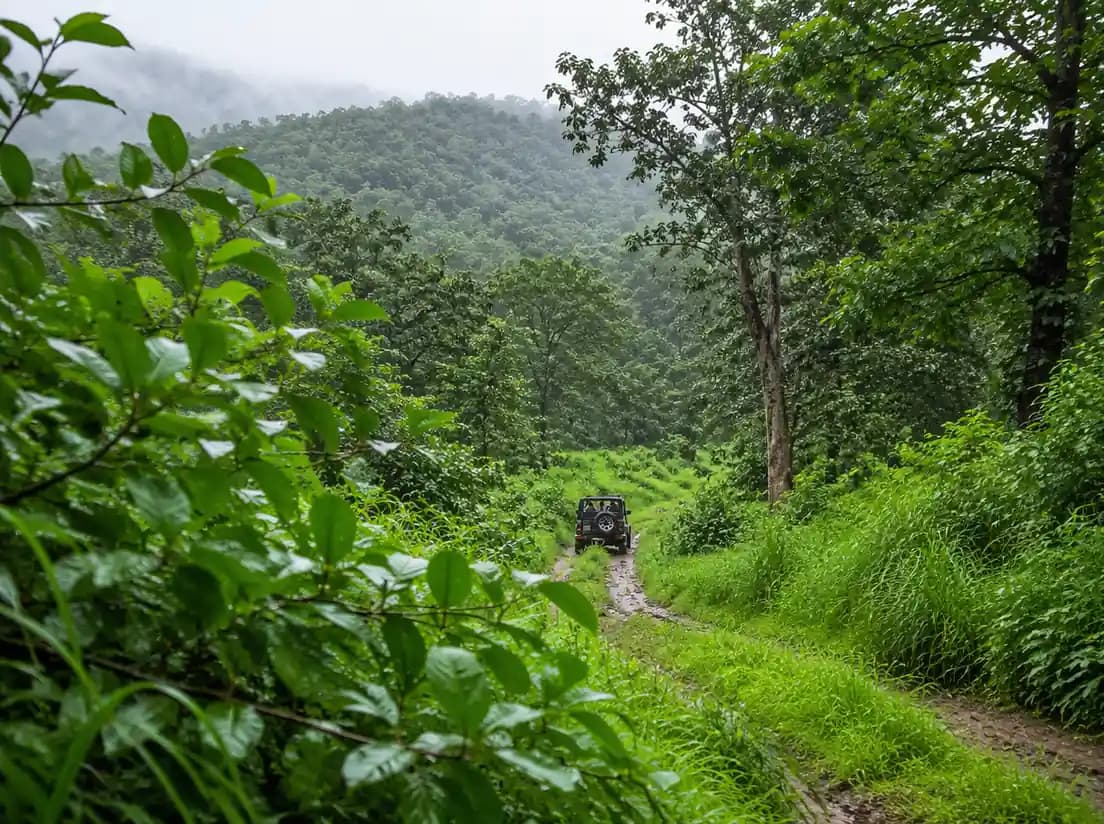
October marks a transition rather than an instant switch to dry-season viewing. Forests are vivid, streams and waterholes are replenished, and the air can feel fresher after the rains. For landscape photography and travellers who enjoy a living, green forest, it is an appealing time.
The same abundance can make wildlife harder to see. Tall grass obscures smaller animals, dense foliage breaks up sight lines, and animals do not need to visit a limited number of water sources. Tigers are present, but finding them may require more patience and skilled tracking.
November gradually introduces cooler mornings, while December brings the winter booking peak. October can suit flexible travellers who want the reopening atmosphere without Christmas demand; November is a useful balance before the busiest festive weeks. Confirm reopening dates before committing, especially if your flight arrives right at the start of the season.
Is Summer a Good Time for a Tiger Safari?
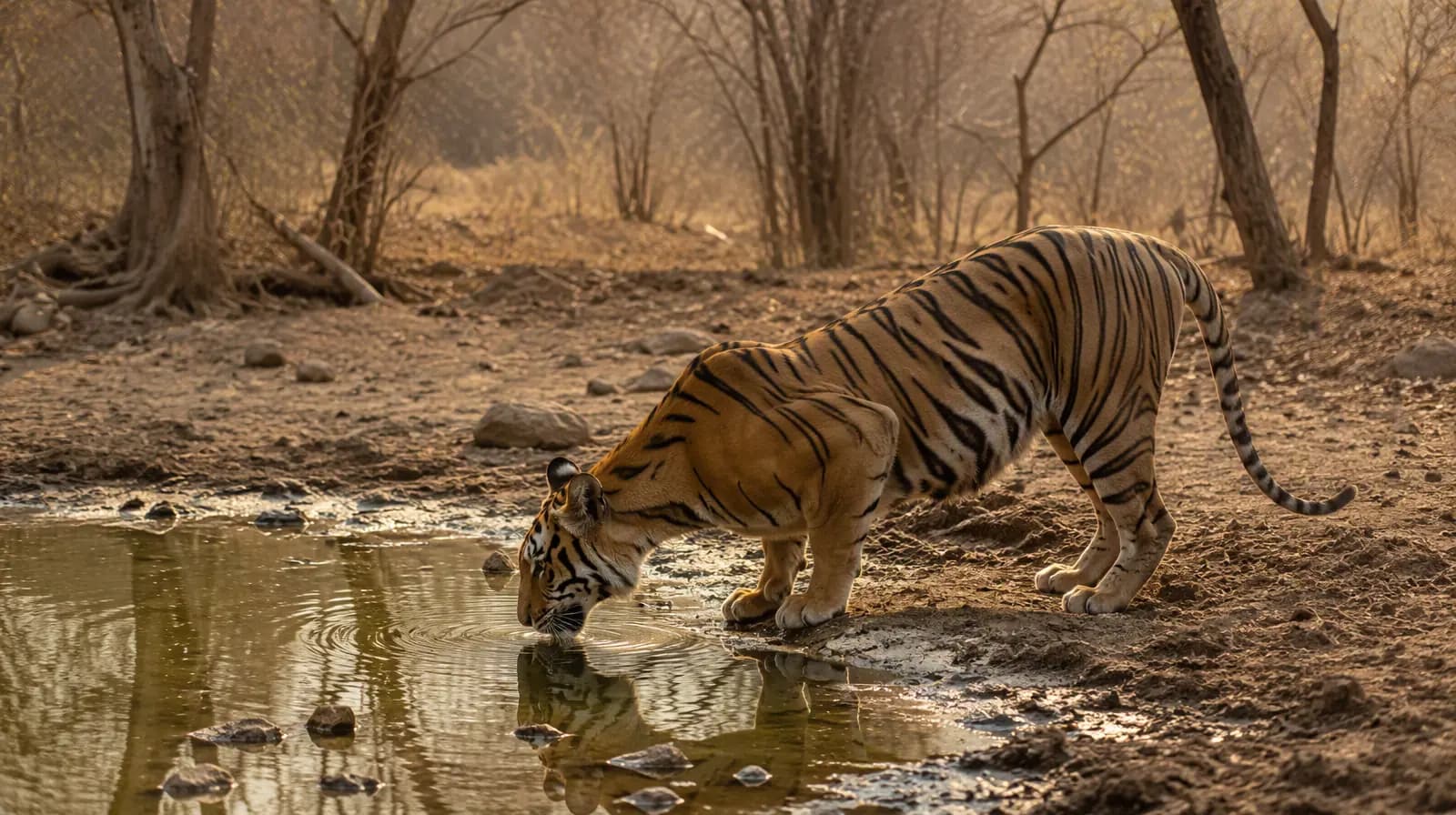
Yes—if your priority is sightings and you can tolerate the heat. From March through May, and often into June, vegetation becomes less dense and seasonal water sources shrink. Deer, other prey animals and predators still need to drink, so remaining waterholes become reliable places to wait and observe.
This is the counter-intuitive answer to the best time for India wildlife safari: the season that feels least comfortable can offer the clearest viewing conditions. A naturalist can use tracks, alarm calls and knowledge of animal movement, then allow time near likely habitat rather than rushing between arbitrary viewpoints.
Heat is a genuine limitation, not a minor footnote. Ranthambore’s summer daytime temperatures can exceed 45°C. Morning and late-afternoon drives avoid some midday intensity, but open vehicles, dust and hot lodges still demand preparation. Travellers with heat-sensitive medical conditions should seek personal medical advice before choosing late spring.
April often works well for European Easter dates, provided you book early and accept hotter afternoons. May suits wildlife-focused travellers more than a relaxed family-and-culture holiday. Keep the itinerary simple, use accommodation where you can rest comfortably between drives, and never pressure a guide or driver to approach wildlife for a photograph.
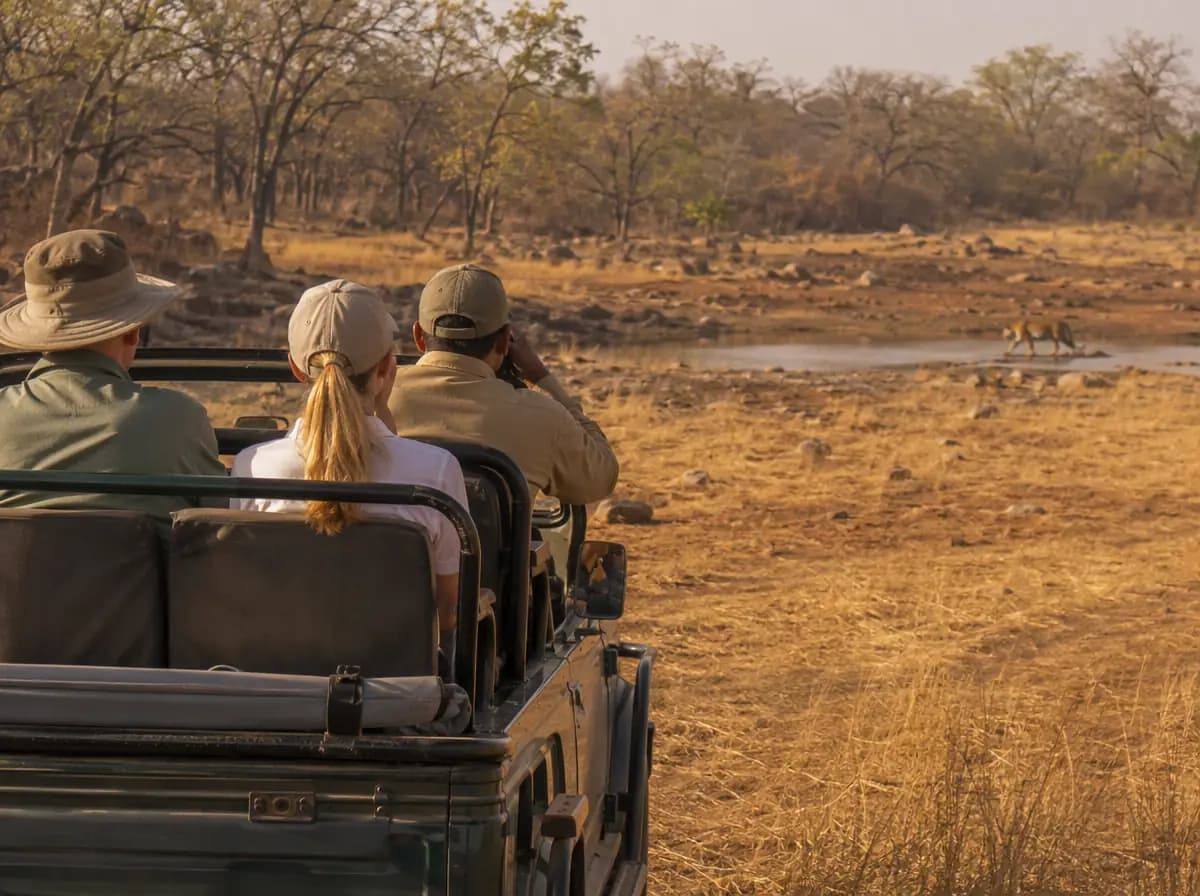
Matching the Season to Your Trip
- Comfort-first families: choose November, February or early March. Allow warmer layers for winter mornings and avoid an overfilled cultural itinerary.
- Serious photographers and wildlife enthusiasts: consider March to May for drying cover and waterhole activity, with April offering a useful Easter option.
- Flexible travellers seeking fewer peak-date crowds: look at October, November outside major holidays, or early March. Confirm opening conditions in October.
- Birdwatchers and landscape photographers: winter and the green post-monsoon months offer different strengths, from migratory birds to saturated foliage.
- Christmas and New Year travellers: prioritise availability and book early rather than selecting a reserve only from a sightings ranking.
Whichever season you choose, build in enough game drives to enjoy the forest without treating every outing as a pass-or-fail tiger test. Weather, animal movement and other vehicles are outside any operator’s control. For the journey around your safari dates, see our guide to flights and getting to India from Europe.
Frequently Asked Questions
Can you see tigers in India during the monsoon?
Yes, but access is limited and sightings should not be the reason to choose July to September. Many core tourism zones close, while selected buffer areas may operate. Ranthambore’s Zones 6–10 may remain open when Zones 1–5 are closed, subject to Forest Department orders, weather and track conditions. Heavy rain can cancel drives.
Is winter or summer better for a tiger safari?
Winter is better for comfortable days, families and combining wildlife with cultural sightseeing. March to May is usually better for travellers prioritising tiger sighting potential because thinner vegetation and scarce water can make animals easier to locate. Neither season guarantees a sighting, so choose according to heat tolerance as well as wildlife priorities.
Do Indian wildlife parks close completely during monsoon?
Not always. Many core zones close from July to September, often reopening in October, but selected buffer zones can continue limited tourism. Rules differ by reserve and year. Confirm the exact park, zone and safari shift before paying for non-refundable flights or accommodation.
When should Europeans book a Christmas or Easter tiger safari?
Book as early as your chosen operator and permit system allow, especially for Christmas, New Year and popular Easter dates. These periods combine European holidays with strong demand for lodges and safari permits. Exact booking windows vary by park, so plan the itinerary before assuming a preferred lodge or zone will be available.

Surya Veloor Sundar
Partner & Lead Naturalist at Tentasy, wildlife photographer and naturalist with 12+ years of field experience across South Indian forests.
Meet the Tentasy team
Tell us your travel window. We’ll recommend the right parks.
Share your available dates, group and tolerance for heat. We will suggest a realistic private itinerary around current park access, seasonal conditions and your wildlife priorities.