
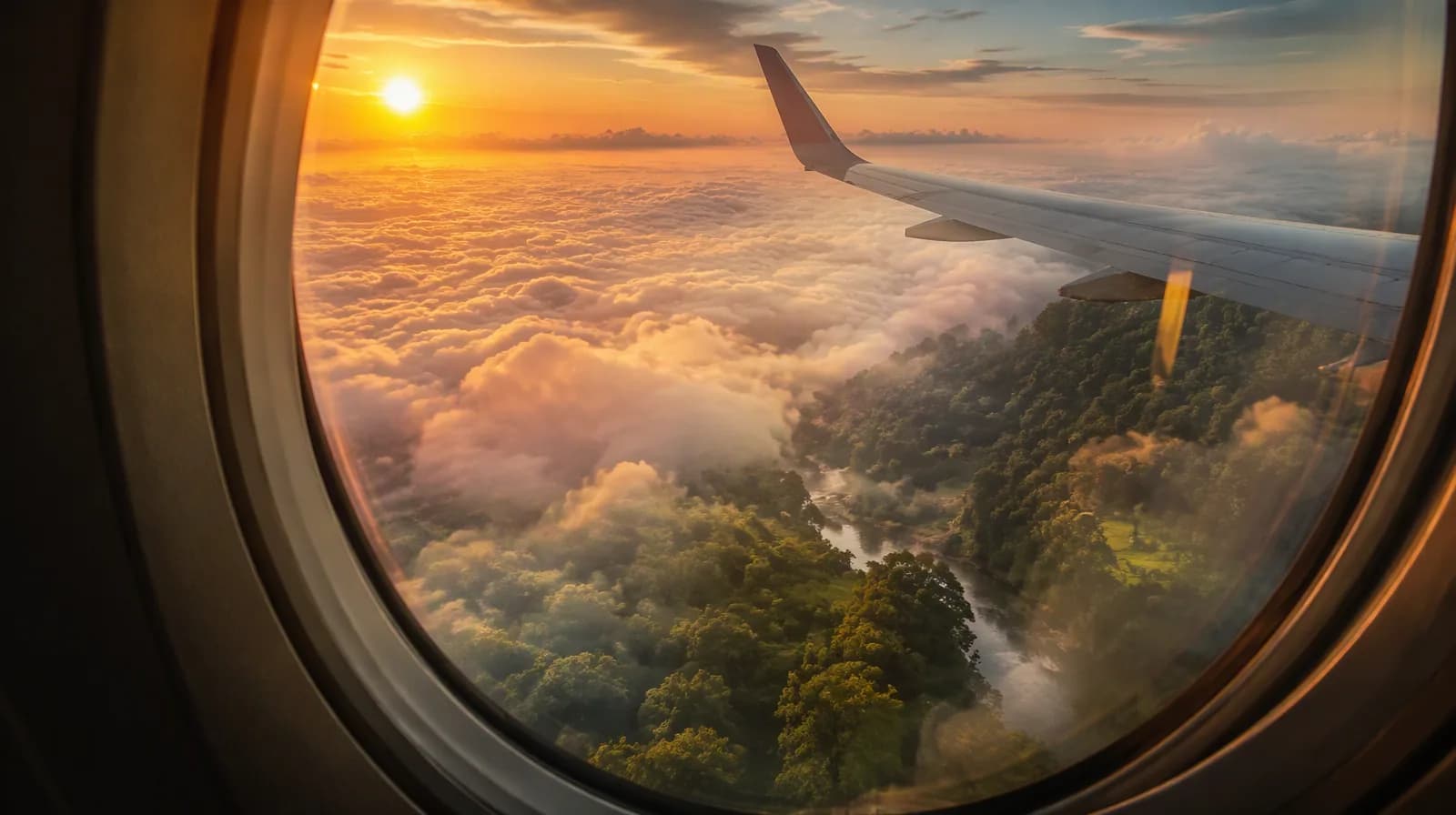
How Long Is the Flight from Europe to India?
A direct flight from Western Europe to India usually takes 8–11 hours. A one-stop journey more often takes 12–17 hours with a sensible connection, although a long layover can make it much longer.
For a private wildlife safari in India from Europe, Delhi, Mumbai and Bengaluru are the most useful international gateways. Delhi serves many northern and central routes; Mumbai connects efficiently towards Nagpur and other central Indian airports; Bengaluru is the natural starting point for South India’s reserves.
For india safari travel from london, Heathrow offers the widest non-stop choice. From Birmingham, Manchester or Dublin, a through-ticket via a Gulf or European hub can be more practical than positioning to London. Gatwick travellers should compare its one-stop options with a direct departure from Heathrow.
Send us your nearest airport and preferred dates. We will recommend the Indian gateway and onward route that fits your safari—not simply the cheapest arrival city.
Ask about my best safari routeOvernight flights and the Indian time difference
Many Europe–India services are overnight, so the calendar date changes while you travel. India is 4½ hours ahead of the UK and Ireland during summer time and 5½ hours ahead in winter. For Central European cities such as Paris, Frankfurt and Amsterdam, the difference is usually 3½ hours in summer and 4½ hours in winter. India itself stays on UTC+5:30 year-round.
| Departure city | Typical route and airlines | Approximate time | Direct or one-stop |
|---|---|---|---|
| London | Heathrow–Delhi, Mumbai or Bengaluru with British Airways, Virgin Atlantic or Air India | 8h 45m–10h 55m | Direct; one-stop also available |
| Manchester | Via Dubai, Doha or Abu Dhabi with Emirates, Qatar Airways or Etihad | 12–16h total | One-stop |
| Paris | Charles de Gaulle–Delhi with Air France or Air India | 8h 15m–9h 30m | Direct; one-stop also available |
| Frankfurt | Frankfurt–Delhi with Lufthansa or Air India | 8h 05m–9h 15m | Direct; one-stop also available |
| Amsterdam | Schiphol–Delhi with KLM or Air India | 8h 05m–9h 15m | Direct; one-stop also available |
| Dublin | Via Heathrow, a European hub, Dubai, Doha or Abu Dhabi | 12–17h total | One-stop |
Routes and timings are indicative as of October 2026. Airlines change schedules seasonally, so confirm the operating carrier and exact timings before booking.
Direct vs One-Stop Flights — What’s the Difference for a Safari Trip?
A non-stop flight removes the risk of a missed international connection and usually gets you to India sooner. It is particularly attractive if you land close to the final safari region—for example, flying to Bengaluru before continuing to Nagarhole or Bandipur.
One-stop itineraries often provide more departure days, more fare choices and better access from regional European airports. Emirates, Qatar Airways and Etihad connect several European cities through Dubai, Doha and Abu Dhabi; European carriers can also connect through their own hubs. The cheapest ticket, however, may include an inconvenient arrival hour or a layover that costs you a lodge night.
Choose by arrival time, not just duration
For safari planning, a 20:00 landing is not equivalent to a 06:00 landing. The former may require an airport hotel; the latter might allow a domestic connection or a daylight road transfer. Also check whether both flights are on one ticket, how much connection time you have and whether your luggage is checked through.
We generally favour a route that protects the first full safari day over saving a small amount on airfare. If you are comparing private safari costs in GBP and EUR, include an arrival-night hotel and the practical value of a sensible schedule in that comparison.
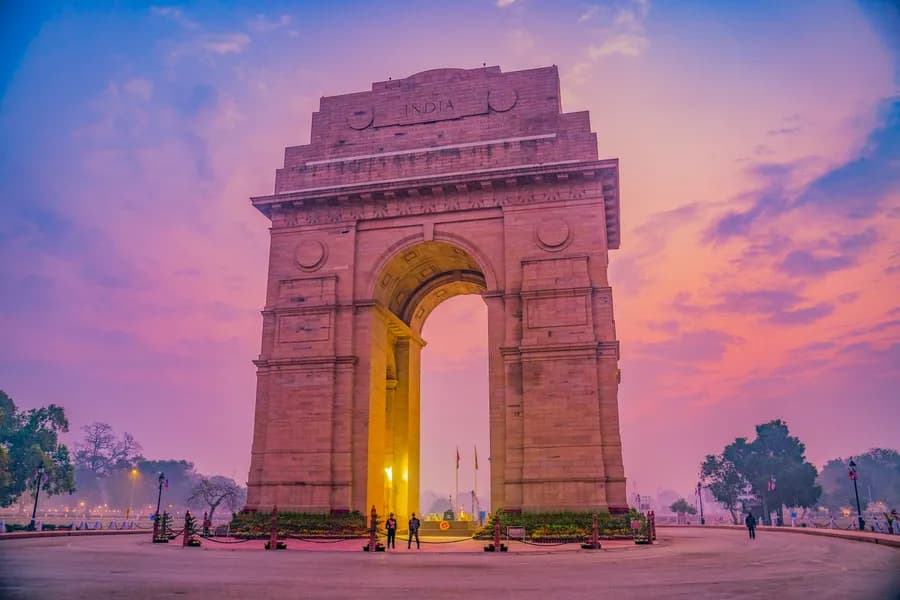
Do I Need a Visa to Visit India for a Safari?
Yes, most UK, Irish, German, French, Dutch and Nordic passport holders need a visa before travelling to India. For an ordinary wildlife holiday, the relevant option is usually an e-Tourist Visa, available in 30-day, one-year and five-year forms. Eligibility and conditions depend on your nationality and passport, so check your own circumstances before booking non-refundable travel.
Apply only through the official Indian e-Visa portal. Commercial lookalike sites can add unnecessary fees. Your approved Electronic Travel Authorization (ETA) should show GRANTED before departure; carry a printed or offline copy with your passport.
Documents and timing
- A passport normally valid for at least six months from arrival, with sufficient blank pages.
- A clear digital scan of the passport’s personal-details page.
- A recent front-facing photograph on a white background, meeting the portal’s specifications.
- Your travel details, address in India and a valid payment card. Additional documents may be requested by nationality or visa type.
A routine application may take roughly 3–10 working days, but processing is not guaranteed. The official minimum application lead time is four days before arrival; we recommend applying two to four weeks ahead, within the permitted window for your visa type. That leaves time to correct a blurred upload or respond to a query.
Foreign nationals and OCI cardholders must also submit the free e-Arrival Card within 72 hours before arrival. This is arrival information, not a visa, and completing it does not replace your e-Tourist Visa.
For photograph rules, validity options and nationality-specific questions, read our dedicated guide to Indian visa requirements for European safari travellers.
From Airport to Safari Lodge — What Actually Happens
The simplest way to understand how to get to a tiger safari in india is as a chain of connections. A good itinerary gives each stage enough time and makes clear who meets you next.
- 1Arrange your e-Tourist Visa before departure. Check the ETA is granted, carry a copy and complete the e-Arrival Card within 72 hours before landing.
- 2Fly to the right Indian gateway city. Choose Delhi, Mumbai or Bengaluru according to the reserve—not just the lowest international fare.
- 3Clear immigration and collect your luggage. Allow time for biometric checks, baggage and, where necessary, a terminal change. We usually avoid tight self-connections after a long-haul flight.
- 4Stay overnight or continue on a planned connection. A late landing calls for a hotel near the airport or city. A suitable morning arrival may connect to a domestic flight the same day with a generous buffer.
- 5Take a domestic flight, train or private road transfer. Your driver meets you at the agreed point, and your route is timed around daylight, lodge check-in and the next safari drive.
- 6Arrive at the lodge and settle in. Confirm the next morning’s pickup, park entry arrangements and what to carry. Your naturalist then prepares you for the forest rather than leaving you to interpret the first drive alone.
What this looks like in practice
For Nagarhole, fly to Bengaluru and continue by private road, usually allowing around 5½–7 hours from the airport depending on the lodge, gate and traffic. Bandipur follows a similar South Indian pattern. An overnight in Bengaluru can be worthwhile after a late international arrival.
For central India, an international flight to Mumbai or Delhi may connect to Nagpur, Jabalpur or another regional airport, followed by a road transfer. Ranthambore routes often use Jaipur or a rail connection to Sawai Madhopur. Getting to India’s wildlife reserves is therefore not one standard transfer: the lodge’s exact location and your first drive determine the best route.
How Many Travel Days Should You Budget?
Budget one to two days each way for most private India safaris. From a European airport, 18–30 hours door-to-lodge is a realistic planning range for many itineraries, including the international flight, immigration and an onward connection or road transfer. Your journey from home to the European departure airport is additional.
- Direct to Bengaluru plus South Indian road transfer: often achievable within one long travel day and night, although an arrival stop may be more comfortable.
- One-stop to India plus a domestic flight: commonly spans two calendar days, particularly when the connection or regional schedule adds a night.
- Remote reserves or the North-East: allow two or more days each way if several connections, limited flight frequencies or long road legs are involved.
The return needs equal care. Avoid booking an early international departure immediately after a distant lodge’s morning drive unless the road journey and airport buffer genuinely work. Sometimes a final night near the gateway protects both your last safari and your flight home.
During European school holidays, allow more planning time as well as more travel time. Regional flights and well-located airport hotels can fill early, and a carefully timed connection is harder to find at short notice. Booking the safari route before committing to separate international and domestic tickets usually prevents avoidable scheduling conflicts.
A useful planning ruleDo not count the day you land or the day you leave as a full safari day. Build the itinerary around drives you can realistically attend.
Why a Private Tour Makes This Easier
The difficult part is rarely finding an international flight. It is making six separate decisions—gateway, arrival hour, connection, overnight stop, driver and first drive—work as one journey.
On a Tentasy private safari, we plan that sequence around you. Transfers are pre-booked, your arrival details are known in advance and you are not left to compare domestic terminals or negotiate a long-distance car after landing. Where the itinerary calls for it, your naturalist meets you at the gateway city; otherwise, the meeting point and lodge arrival are made clear before you travel.
This also gives you one informed point of contact when plans change. If an airline reschedules a flight, the onward plan can be reconsidered alongside lodge check-in and park-entry timings. That coordination matters more than simply having a driver’s phone number.
Our private, naturalist-led wildlife journeys combine that logistical planning with the safari itself. You travel with a clear route, then gain the field expertise to understand what you have come to see.
Frequently Asked Questions
Is there a direct flight from the UK to India?
Yes. London Heathrow has non-stop services to Delhi, Mumbai and Bengaluru with airlines including British Airways, Virgin Atlantic and Air India, depending on route and season. Scheduled flight time is roughly 8 hours 45 minutes to 10 hours 55 minutes. Manchester normally requires a one-stop itinerary.
How far in advance should I apply for an Indian e-Visa?
Apply two to four weeks before departure within the permitted application window for your visa type. The official minimum is four days before arrival, but that leaves little room for document queries or delays. Check that your Electronic Travel Authorization says GRANTED before flying.
Can I fly directly from Europe to an Indian tiger reserve?
Usually not. Fly to an international gateway such as Delhi, Mumbai or Bengaluru, then take a domestic flight, train or private road transfer to the reserve. The exact route depends on the park, lodge location and safari start time.
Should I stay overnight after landing in India?
An arrival-night stop is sensible after a late landing, before a long road transfer or when a delayed connection would affect your first safari. A well-timed morning arrival can sometimes connect onwards the same day, but allow a generous buffer for immigration, luggage and terminal changes.

Surya Veloor Sundar
Partner & Lead Naturalist at Tentasy, wildlife photographer and naturalist with 12+ years of field experience across South Indian forests.
Meet the Tentasy team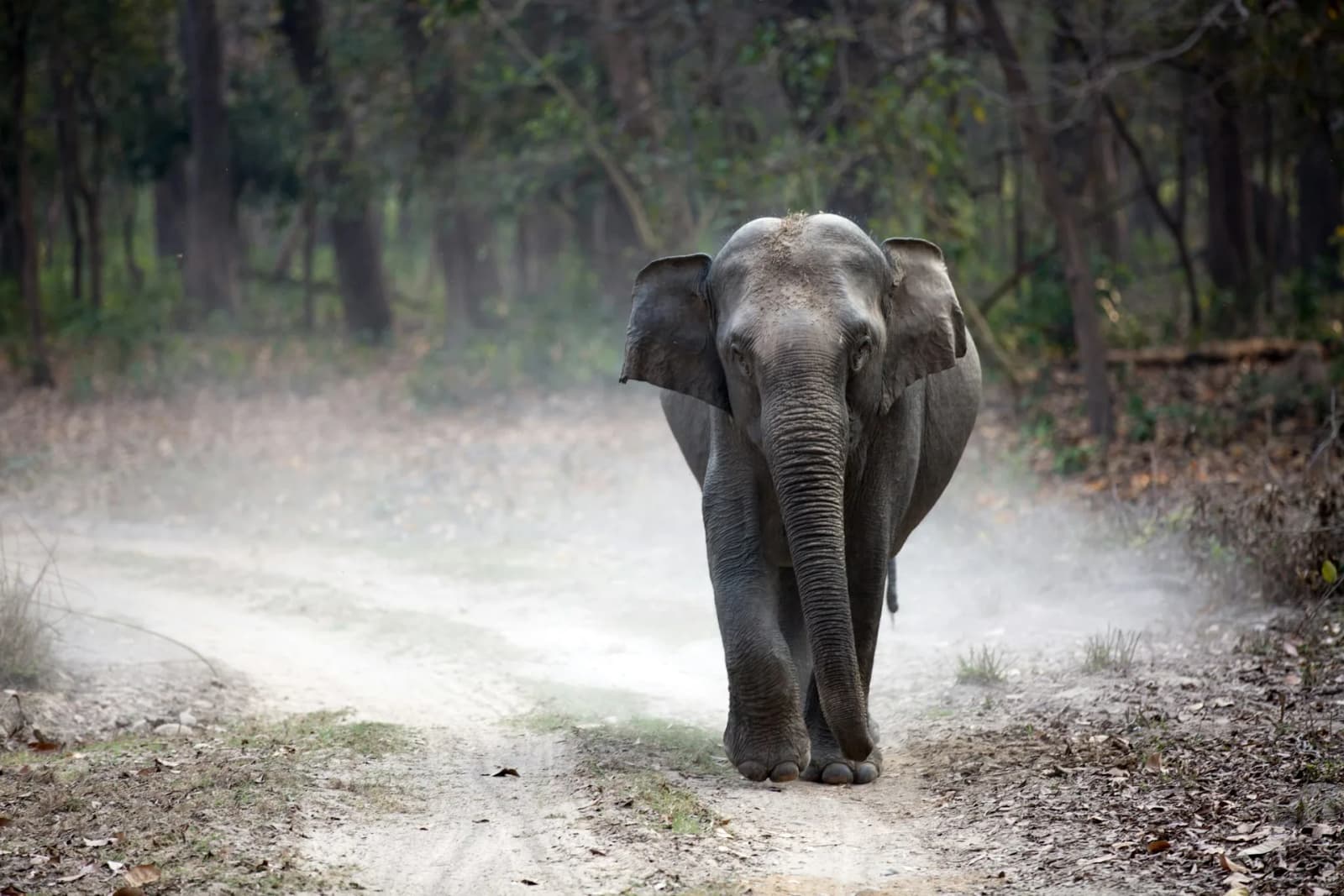
Let us handle the logistics of your private safari
Share your nearest European airport, travel dates and preferred wildlife. We will recommend the Indian gateway, onward connections and reserve route as one coherent journey.
- 1Tell us where you are flying from and who is travelling.
- 2Receive a practical route with sensible arrival and transfer timings.
- 3Travel with pre-arranged logistics and naturalist-led guidance throughout your safari.