
Is India Safe for Tourists in General?
Most visits are trouble-free, but a single answer for every Indian journey would be misleading. A private wildlife circuit using booked lodges and a known driver has a different risk profile from backpacking alone through unfamiliar cities.
For many tourists, the everyday issues are unglamorous: crossing busy roads, long transfers, an opportunistic bag theft, a taxi or ticket scam, or an upset stomach. Official advisories also cover sexual harassment, terrorism and regional security. Those risks deserve attention rather than either alarm or dismissal.
India is also highly regional. Advice for a border area or a city during a demonstration may have little to do with a particular forest lodge, but that does not make it irrelevant to your wider route. Check your own government’s current advice before booking and again before departure: the UK FCDO, German Auswärtiges Amt, French Ministry for Europe and Foreign Affairs, or the relevant authority in Ireland, the Netherlands or your Nordic country.
Is India Safe for Solo Female Travelers?
Women can and do travel independently in India, but harassment and sexual assault are documented risks, including for foreign visitors. Asking is India safe for solo female travelers deserves a direct answer: it is not reckless to consider the journey, nor responsible to call it completely safe.
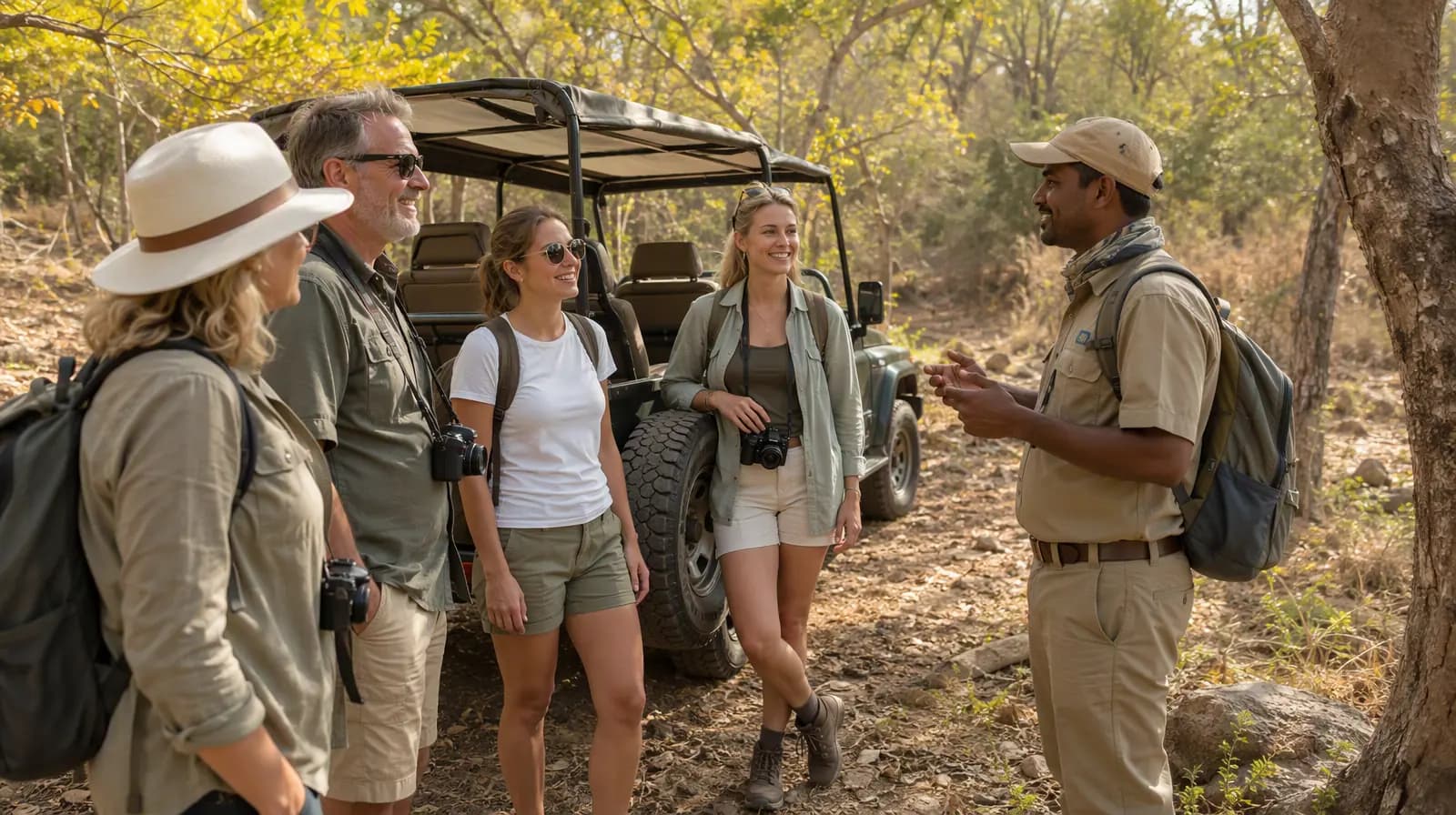
A private, pre-arranged tour changes the practical circumstances. Your airport pick-up, driver, hotels and daily plan are known in advance. You spend less time finding transport alone, responding to touts or navigating an unfamiliar station after dark. A naturalist accompanies you during activities, while a reputable lodge provides a clear point of contact.
These arrangements reduce exposure; they do not create immunity. Avoid isolated places alone, including after dark, and tell someone you trust about independent plans. Keep your phone charged and share live location when useful. Respectful local dress can reduce unwanted attention in conservative settings, but responsibility for harassment always lies with the perpetrator. India’s national emergency number is 112.
Risk Areas and How a Private Tour Changes Them
The useful comparison is not “safe” versus “unsafe”; it is which decisions have already been made, and who helps you when conditions change.
Want to discuss a concern before committing? Ask about the exact vehicle, driver, lodge and transfer plan for your route.
See the support included in our private tours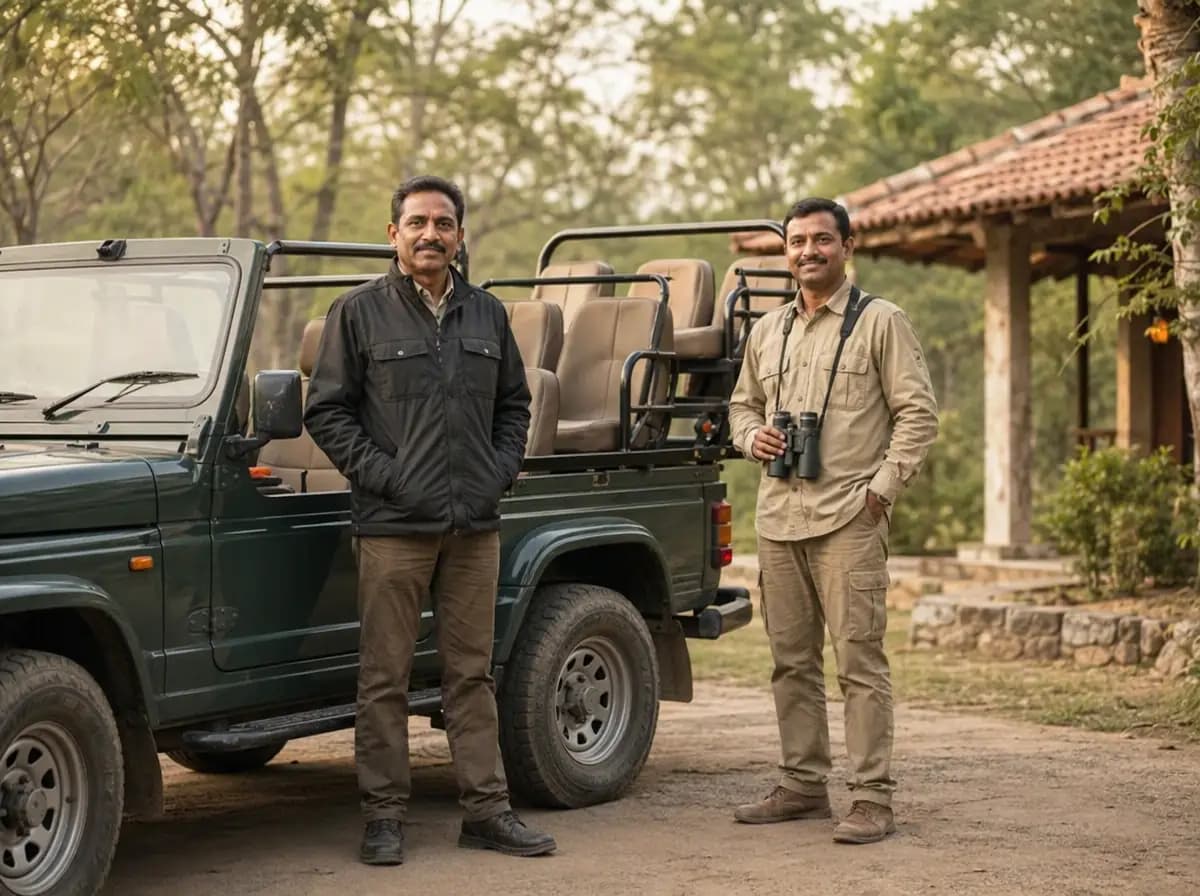
| Risk area | On an independent trip | On a private, guided tour |
|---|---|---|
| Transit-city petty crime | You manage bags, tickets, crowds and transport touts yourself | Confirmed transfers and fewer unplanned transactions reduce exposure |
| Road travel | Vehicle quality, route and driving standards may be uncertain | A vetted driver, maintained vehicle and realistic timings are pre-arranged |
| Food & water | You assess every restaurant and water source yourself | Established lodges and local recommendations support safer choices |
| Wildlife-area risks | You may not know reserve rules or animal behaviour | A naturalist briefs you and manages conduct during every drive |
| Solo female travel | More solo navigation, arrivals and interactions with strangers | Known accommodation and accompanied activities reduce uncertainty, not all risk |
Is It Safe to Travel to India for a Wildlife Safari?
Yes, provided the journey is properly organised and you follow reserve rules. For guests asking is it safe to travel to India for a safari, the relevant risks are usually road transfers, heat, insects, basic health preparation and behaviour around animals—not dramatic encounters with predators.
During a drive, remain seated, keep limbs inside the vehicle and follow the naturalist’s instructions. Never approach, feed or try to touch wildlife. At lodges, do not wander into unlit or unfenced areas alone; ask staff before walking after dark. These are simple rules, but they matter.
Stray dogs and monkeys require the same restraint. Do not pet or feed them. After any bite, scratch, or saliva contact with broken skin, wash immediately with soap and running water for 15 minutes and seek urgent medical assessment. Rabies treatment cannot safely wait until you fly home.
Practical Precautions Worth Taking
These india safety tips for tourists address the problems most likely to disrupt a well-planned journey:
- Prepare for the roads. Use a professional driver, wear an available seatbelt and avoid unnecessary night travel. Do not squeeze long transfers into an unrealistic schedule.
- Protect valuables. Keep passports, cards and phones secure in crowds. Carry document copies separately and use hotel or official transport contacts rather than touts.
- Choose food and water carefully. Drink reliably sealed bottled water or properly filtered water. Favour freshly cooked food and be cautious with ice or raw items where hygiene is uncertain.
- Plan for heat and insects. Use sun protection, drink enough safe water, cover up when appropriate and use effective repellent for your destination.
- Visit a travel clinic. Ideally go six to eight weeks before travel. Review routine boosters and discuss hepatitis A, typhoid, tetanus, rabies and mosquito-borne disease prevention for your itinerary.
- Arrange comprehensive insurance. Check medical treatment, evacuation, cancellations and every planned activity. Save the emergency assistance details offline.
- Recheck official advice. Weather, demonstrations and regional restrictions can change. Follow local authorities and your operator’s updates.
How Tentasy Builds Safety Into a Private Tour
Every Tentasy private tour includes a vetted driver, pre-arranged accommodation and a naturalist guide with you throughout. We plan transfer times realistically and coordinate authorised safari vehicles, so you do not need to navigate public transport alone between reserves.
Before travel, we confirm arrival details and the person meeting you. On the ground, the team manages lodge coordination, park-entry procedures and daily timing. If weather, road conditions or an official advisory affects the plan, you have a local team to adjust it with you.
Good paperwork is part of that preparation too. Our guides to flights and getting to India from Europe and Indian visa requirements for European safari travellers cover those stages separately. For the journey itself, explore our private naturalist-led wildlife tours.
This guide sits alongside, not above, official travel and medical advice. Sources checked 27 October 2026 include UK FCDO safety and health guidance and French Ministry for Europe and Foreign Affairs security and health guidance. Requirements and regional conditions can change.
Frequently Asked Questions
Is India safe for solo female travellers on a private tour?
A private, pre-arranged tour reduces several common pressure points: airport pick-up is booked, accommodation is confirmed and you do not need to negotiate public transport alone. It does not remove the risk of harassment or assault. Choose a reputable operator, avoid isolated places alone, keep in touch with someone at home and follow current government advice for women travellers.
What vaccinations do I need for an India safari?
There is no single vaccination list suitable for everyone. Ask a travel clinic to review your routine boosters and discuss vaccines such as hepatitis A, typhoid, tetanus and rabies according to your health, itinerary and activities. Ideally book six to eight weeks before departure, although a later consultation is still useful. Also ask about mosquito-borne disease prevention for your exact reserves and season.
Is road travel the biggest safety concern on an India safari?
It is one of the most important everyday risks to manage. Traffic conditions, variable road surfaces, livestock and night visibility require local experience. Use a well-maintained vehicle with a professional driver, wear an available seatbelt and avoid unnecessary night driving. Allow realistic transfer times rather than pressuring a driver to hurry.
Can I drink tap water in India on a safari?
Do not assume tap water is safe to drink. Use reliably sealed bottled water or water that your lodge has properly filtered or treated, and ask if you are unsure. Be cautious with ice and raw foods where water quality is uncertain. Choose freshly cooked food and wash or sanitise your hands before eating.
What should I do if a dog or wild animal bites or scratches me?
Wash the wound immediately with soap and plenty of running water for 15 minutes, then seek urgent medical assessment, even if the injury seems minor. Rabies requires prompt post-exposure treatment. Do not wait until you return home, and contact your travel insurer or assistance provider as directed. Avoid touching or feeding stray and wild animals in the first place.
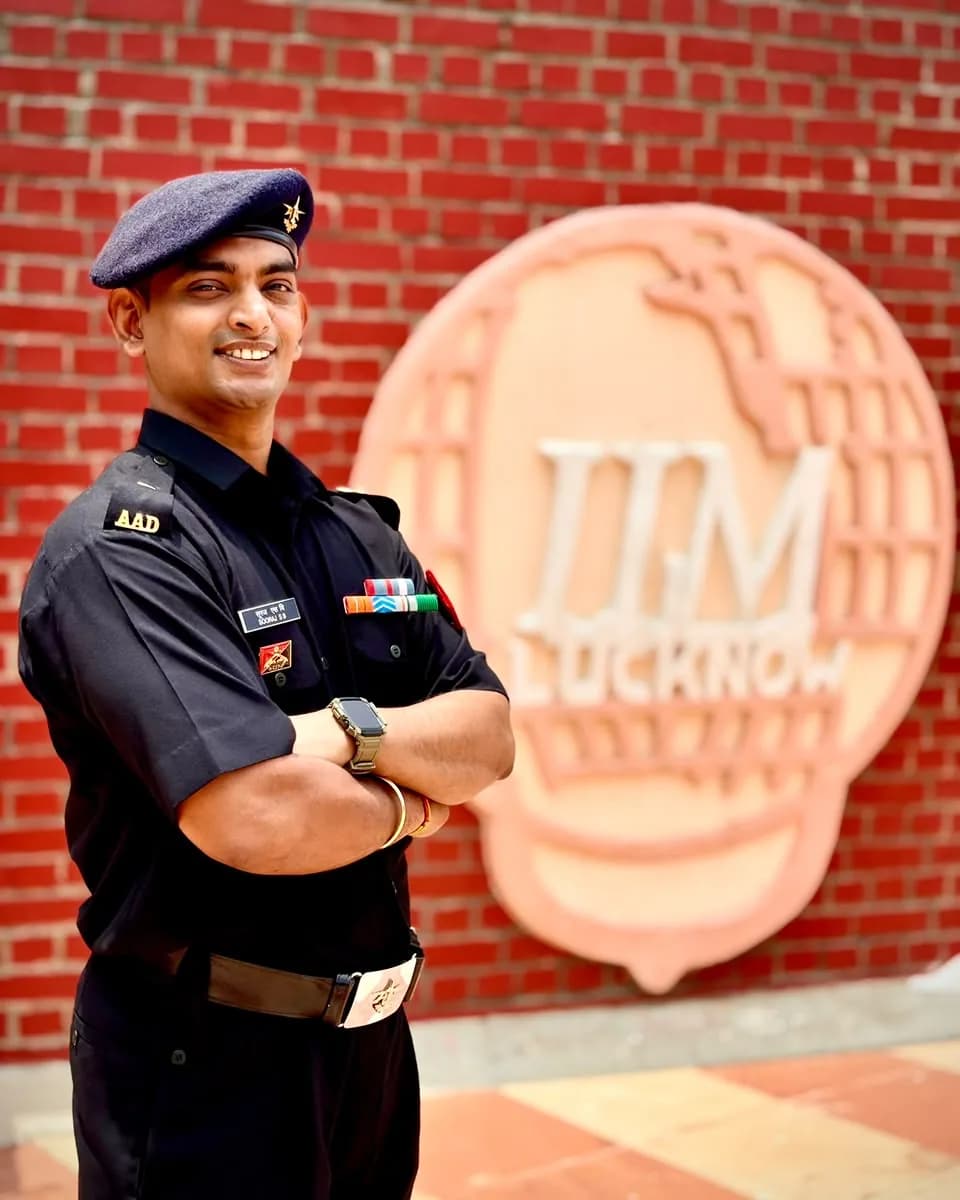
Major Sooraj SB
Major Sooraj SB (Retd) is a former Indian Army Air Defence officer who served in counter-terrorist operations in J&K and led casualty-evacuation teams. An IIM Lucknow alumnus and a Tentasy partner, he oversees field discipline and expedition safety.
Meet the Tentasy team
Ask about the journey, not just the wildlife
Tell us what would help you feel prepared. Every Tentasy private tour includes a vetted driver, pre-arranged accommodation and a naturalist guide with you throughout.