
What Makes an African Safari Different
The classic East African safari is a landscape of sightlines. In the Serengeti or Maasai Mara, you can watch a cheetah survey the plains, follow a line of wildebeest to the horizon and see several species sharing the same frame.
That openness changes the rhythm of a drive. You are often scanning large areas, moving between visible herds and predators, with photography helped by comparatively unobstructed views. Kenya and Tanzania also offer the famous cast: lion, leopard, elephant, buffalo and rhino, alongside giraffe, zebra, hippo, cheetah and remarkable birdlife. The exact mix depends on the reserve; rhinos, in particular, should never be assumed.
Africa is not one experience, of course. Kruger’s self-drive roads, a private concession in Botswana and a vehicle-based week through Tanzania’s northern circuit are markedly different holidays. For this comparison, “Africa” means the private or small-group Kenya and Tanzania safaris most European travellers weigh against India.
Africa generally offers easier general game viewing, which can suit first-time safari-goers seeking frequent, varied mammal sightings. India suits first-timers who value expert interpretation, smaller private parties and the excitement of tracking tigers. Neither is the universal best safari destination for first timers; the right choice depends on what you want to remember.
What Makes an Indian Safari Different
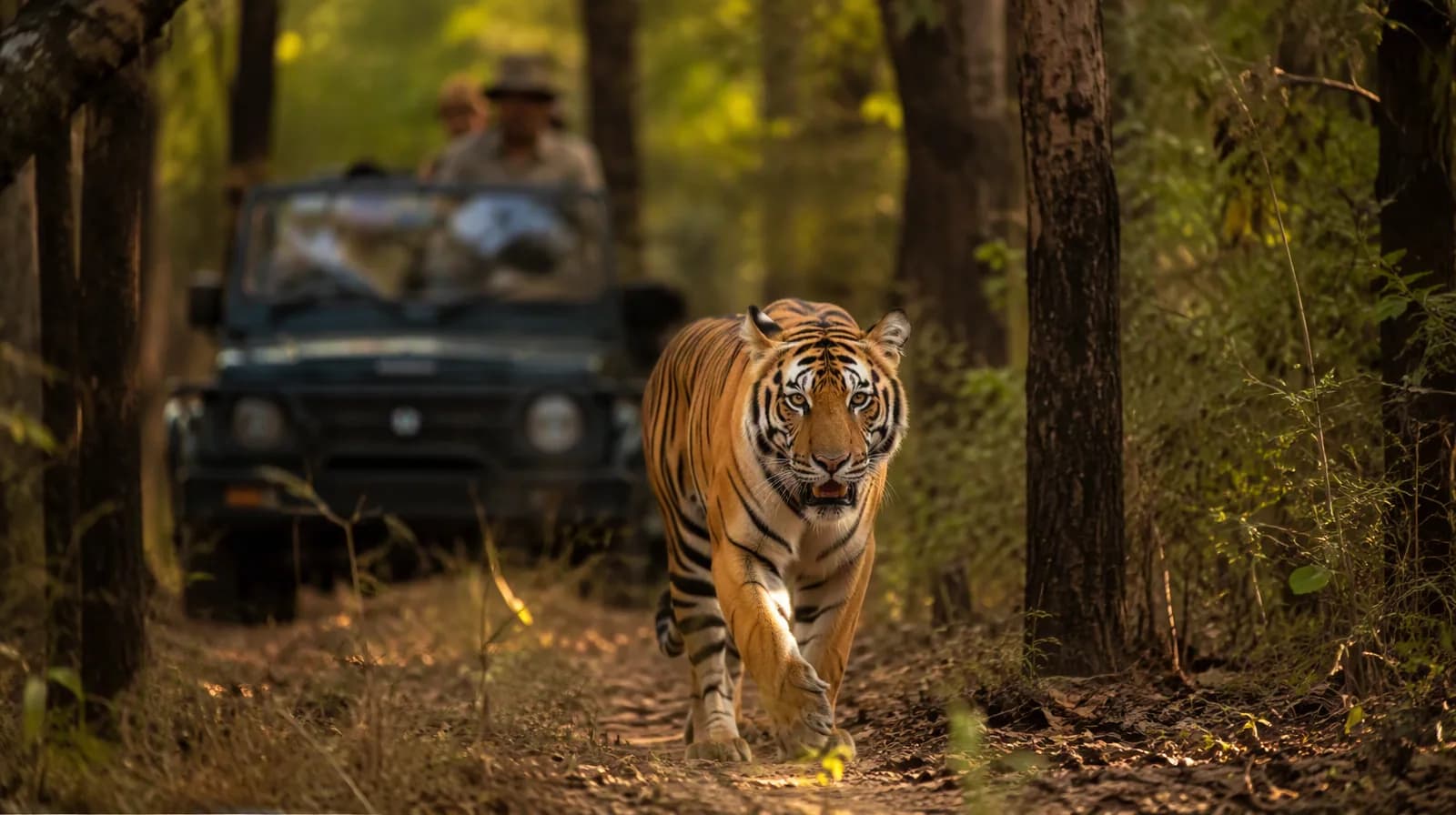
An Indian safari asks you to look into the landscape rather than across it. Sal forest, teak, bamboo, grassland and rocky hills break the view into fragments. A stripe between tree trunks may be all you get before a tiger moves on.
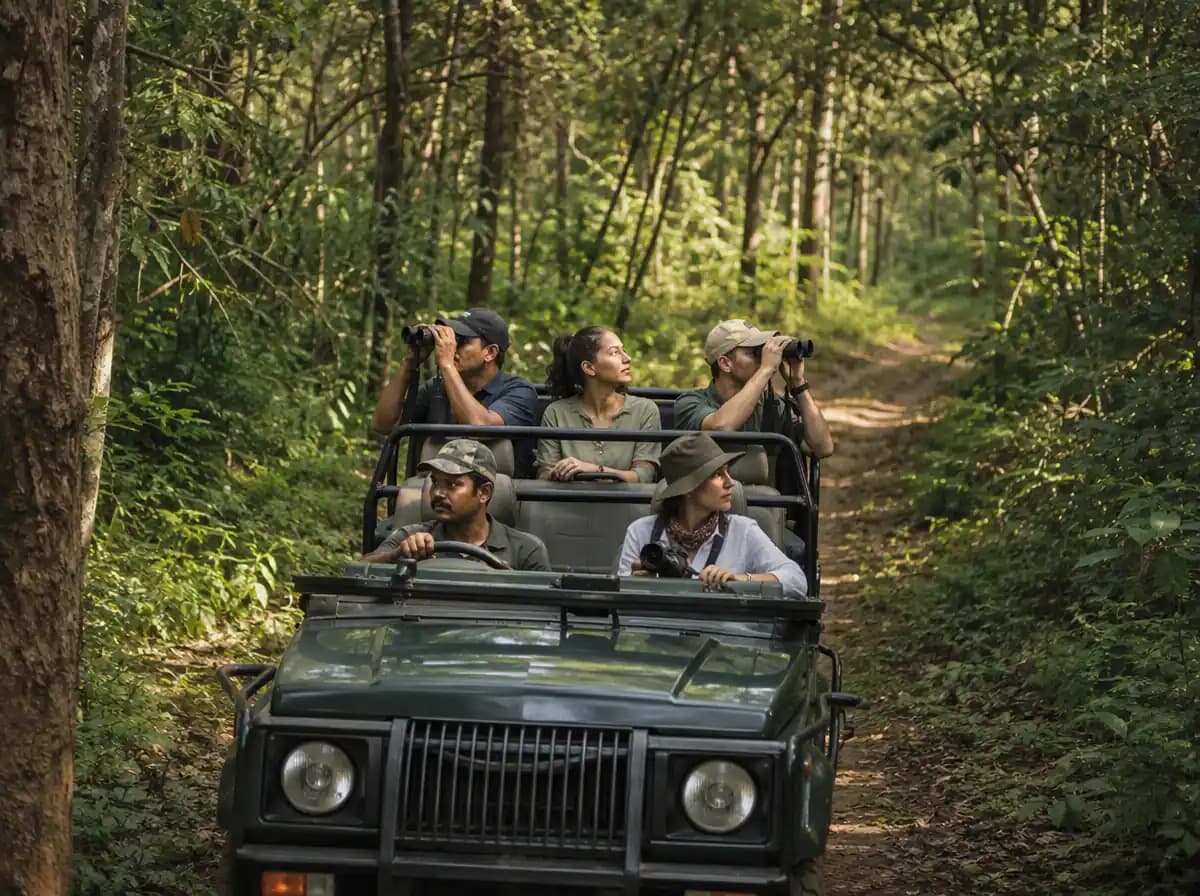
The reward is attention. Your naturalist listens for langur and deer alarm calls, reads fresh tracks and notices a change in bird activity. When the interpretation is good, the drive is absorbing even without a big cat. You begin to understand why a sambar is tense or why a leopard might favour one rocky outcrop over another.
Tigers are the headline, but a tiger safari vs african safari comparison undersells India’s supporting cast. Depending on the region, you might encounter Asiatic elephants, leopards, sloth bears, gaur, dhole, one-horned rhinoceroses or Asiatic lions. South India’s Nagarhole, for example, combines big-cat habitat with elephants and rich birding; Gir and Kaziranga offer entirely different ecosystems.
India is not automatically quieter at a sighting. Popular reserves can produce clusters of vehicles around a tiger, and ethical guiding matters. Tentasy’s approach is to keep private parties small, avoid baiting and calling, and let the naturalist decide when an encounter should end. Our Indian wildlife tours are built around habitats and behaviour, not a race through a species checklist.
India vs Africa at a Glance
Not sure which Indian reserve fits your dates? Send a Tentasy naturalist your travel window and group size for a private safari recommendation.
Ask a naturalist on WhatsApp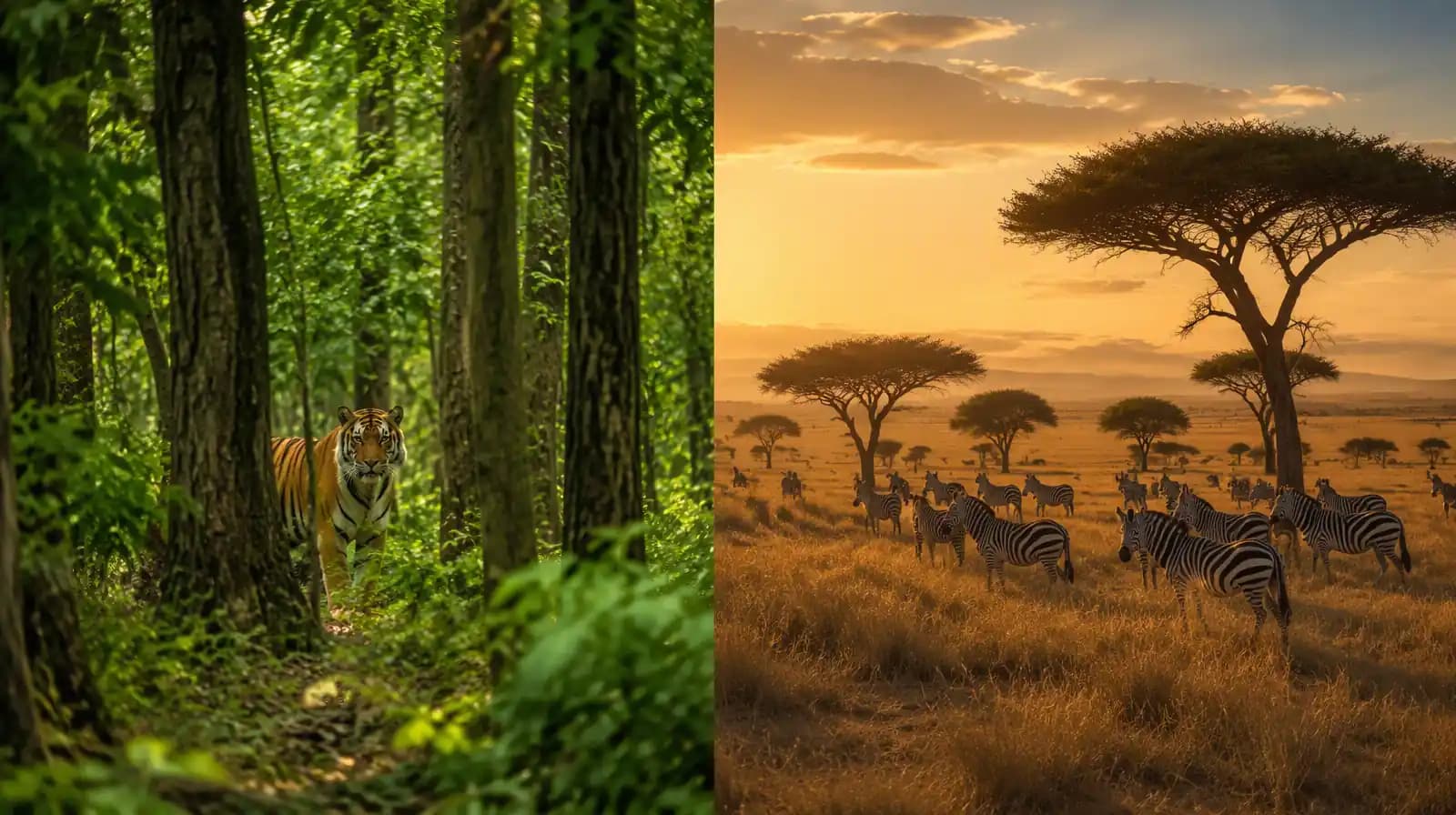
| Factor | India | East Africa |
|---|---|---|
| Terrain | Deciduous and evergreen forest, grassland, hills and wetlands | Open savanna, woodland, crater and lake landscapes |
| Signature species | Bengal tiger; also leopard, elephant, gaur, sloth bear or rhino by region | Lion, elephant, leopard, buffalo, giraffe, zebra; rhino in selected reserves |
| Best season | October–June in many tiger reserves; November–March for milder weather | June–October for dry-season viewing; calving and green seasons offer other interests |
| Typical cost | £1,300–£2,900 · €1,550–€3,460 | £2,100–£4,700 · €2,510–€5,610 |
| Flight time from London | About 9h 50m non-stop to Bengaluru | About 8h 40m non-stop to Nairobi; usually 11h+ to Kilimanjaro with one stop |
| Group size norms | Usually up to six guests in a jeep, plus guide and driver; private parties can be smaller | Commonly six or seven in a safari vehicle; private vehicles and smaller camps available |
These are planning ranges, not quotations. Exchange-rate guide: approximately £1 = €1.19; check live rates when budgeting.
Is India Cheaper Than an African Safari?
Often, yes at a comparable mid-range level—but “India” is not a price category. For a seven-day private journey with comfortable lodges, safaris, guiding and ground transport, a useful starting budget is £1,300–£2,900 per person (about €1,550–€3,460). In Kenya or Tanzania, a broadly comparable private mid-range week commonly falls around £2,100–£4,700 (about €2,510–€5,610).
These ranges reflect published per-day market rates and assume two people sharing. They exclude international flights, visas, insurance and tips. Premium lodges, specialist naturalists, exclusive vehicles and internal flights can push either destination well beyond them. Tentasy’s private journeys sit in the premium, naturalist-led category, with a photographer included, so use the figures above for orientation rather than as a Tentasy quote.
Compare the inclusions, not the headline
Ask whether each price includes park fees, private jeep use, a dedicated naturalist, airport transfers and all meals. In Africa, park and conservation fees can be a substantial part of the quote. In India, the number of drives, jeep exclusivity and travel between reserves make a major difference.
For an india safari for europeans, currency clarity matters too. The euro conversions here use approximately £1 = €1.19, based on late-October 2026 reference rates; your card provider’s rate will differ. A sound comparison puts both itineraries on the same dates, with the same number of nights and game drives.
Can You See the Big Five in India?
No—not the African Big Five. That term means lion, leopard, elephant, rhinoceros and African buffalo. India has leopards, Asian elephants, one-horned rhinoceroses and wild water buffalo, but no African buffalo, and its wild Asiatic lions live in a separate region, Gujarat’s Gir landscape. No single Indian reserve offers an equivalent five-species checklist.
You may see Kaziranga described as having an Indian “Big Five”: tiger, rhinoceros, elephant, wild water buffalo and eastern swamp deer. It is a useful local shorthand, not the same list. Elsewhere, the appeal changes again: tigers and gaur in central or southern forests, sloth bears in rocky terrain, or snow leopards in the Himalaya.
This is the central decision in the india or africa safari debate. If seeing all five African icons is a lifelong ambition, choose the appropriate African reserve and do not let anyone talk you out of it. If the ambition is to follow one magnificent predator through a living forest—and come home understanding its world—India offers something Africa cannot replicate.
A field noteThe best Indian drives are not defined by the moment a tiger appears. They are the drives on which you noticed the forest changing long before it did.
Who Should Choose India
India suits travellers who value depth over coverage. You need not be an expert, but curiosity helps: why does this deer alarm call matter, what does fresh pugmark tell us, and how does the dry season reshape the forest?
- First-time safari-goers who prefer a smaller, forested journey. A private naturalist can make the ecology accessible without turning the drive into a lecture.
- Repeat safari travellers who have “done Africa”. Tracking tigers through dappled forest is a genuinely different visual and behavioural challenge.
- Wildlife photographers seeking atmosphere. Backlight, dust, foliage and a partial view can be more expressive than another clean profile on open grass.
- Travellers combining India with Sri Lanka or Nepal. South Indian reserves pair naturally with Sri Lanka’s wildlife and coast; central or northern routes can connect with Nepal’s Terai.
- Europeans escaping winter. November to March brings warm days in many safari regions, although early mornings can be surprisingly cold.
If open landscapes and large herds remain your priority, Africa may be the better fit. If you want a forest journey interpreted by a dedicated naturalist, India deserves a place at the top of your shortlist.
Planning a Private Safari in India from Europe
From London, the non-stop flight to Bengaluru takes about 9 hours 50 minutes; Nairobi is around 8 hours 40 minutes non-stop. Kilimanjaro usually requires a connection and a longer overall journey. Continental European gateways add their own routing considerations, so compare total elapsed time, not just airborne hours.
India is 4½ hours ahead of the UK during British Summer Time and 5½ hours ahead in winter; western Europe is typically 3½–4½ hours behind India. Kenya and Tanzania have a smaller time difference with Europe, but a gentle arrival night makes India’s time shift manageable. Thoughtful route design also limits tiring transfers and protects your first safari morning.
For European school-holiday planning, February and Easter can work well for wildlife, while October half-term sits close to the post-monsoon reopening period in many parks. Christmas and New Year require early booking. November to March avoids the main monsoon season in core tiger-safari regions, but always check the exact reserve: opening dates and local weather vary.
How to decide in four steps
- 1Name the sighting you care about most. Big Five and herds point to Africa; tigers and forest ecology point to India.
- 2Fix the season before the reserve. Match your school-holiday window to park openings, heat and rainfall.
- 3Count drives and travel days. For tigers, allow at least four to six drives rather than relying on one lucky morning.
- 4Compare like-for-like quotes. Align group size, jeep exclusivity, naturalist expertise, park fees and accommodation.
Our companion guides cover Indian visa planning, flights from Europe and India safari costs in more detail. When you are ready to turn those practicalities into a route, design a private India safari with a naturalist rather than forcing your dates into a fixed departure.
Frequently Asked Questions
Is India or Africa better for a first safari?
Africa generally offers easier general game viewing. India is an excellent first safari for travellers who value tigers, forest ecology, smaller private parties and dedicated naturalist interpretation. The best choice depends on whether your priority is species breadth or a more specialised, privately guided experience.
How many days do you need for an India tiger safari?
Allow at least four to six safari drives in one or two reserves, which usually means four to six nights on the ground. More drives improve your opportunities and give the trip time to become more than a search for one animal.
When should European travellers visit India for a safari?
November to March suits travellers escaping the European winter, with warm days and cool mornings in many reserves. February to May is often strong for mammal viewing around water, although April and May can be very hot. Always check individual park opening dates.
Are tiger sightings guaranteed in India?
No responsible operator can guarantee a wild tiger sighting. A good naturalist, several drives and the right reserve improve your chances, but the forest offers no schedule. Leopards, elephants, gaur, deer, birds and animal behaviour are all part of the experience.
Surya Veloor Sundar
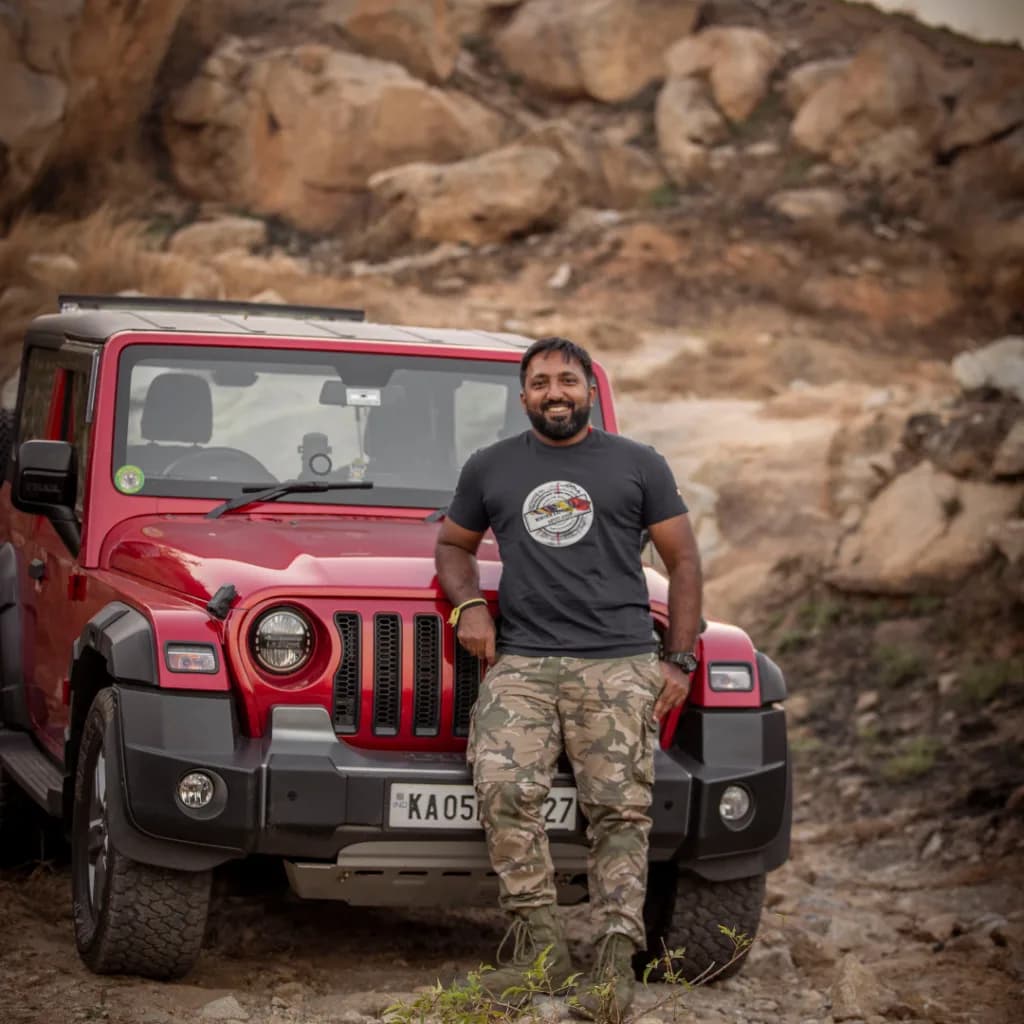
Partner & Lead Naturalist at Tentasy, wildlife photographer and naturalist with 12+ years of field experience across South Indian forests.
Meet the Tentasy team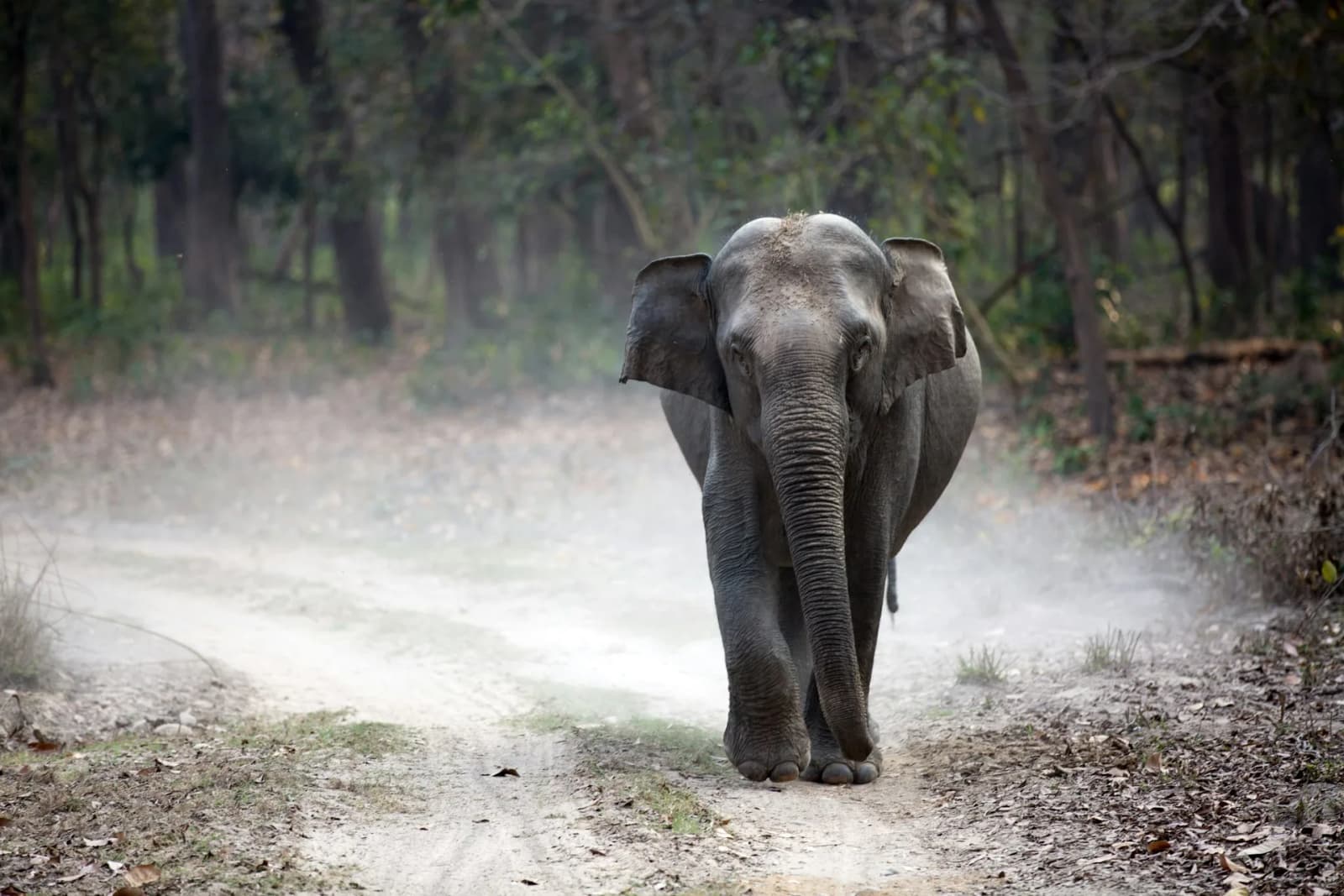
Planning a private India safari?
You do not need to know which reserve to choose. Start with your dates and interests; a Tentasy naturalist will help you assess the fit without promising what the forest cannot guarantee.
- 1Share your travel window, group size and priority wildlife.
- 2Get a naturalist’s recommendation for reserves, pace and number of drives.
- 3Receive a tailor-made private route with clear inclusions and pricing.